
tie-dye
2026-07-24
Mashao Mask
2026-07-24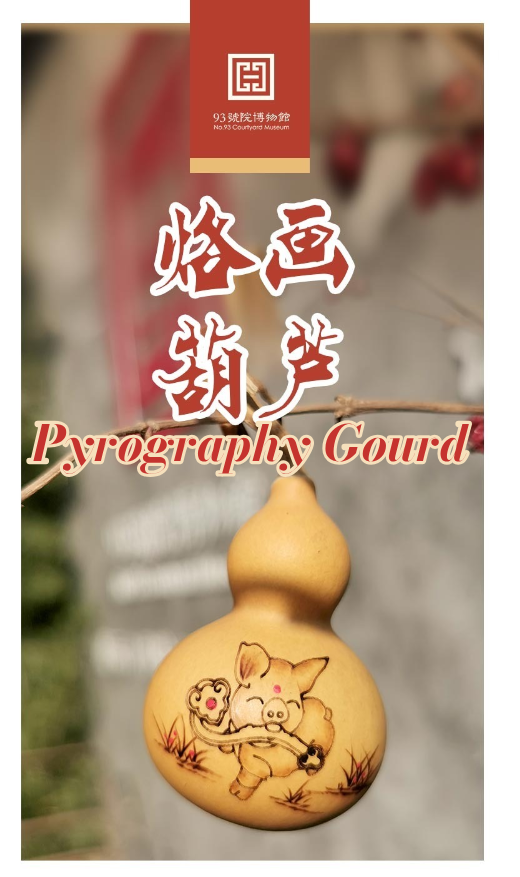
tie-dye
2026-07-24Mashao Mask
2026-07-24tie-dye
2026-07-24Mashao Mask
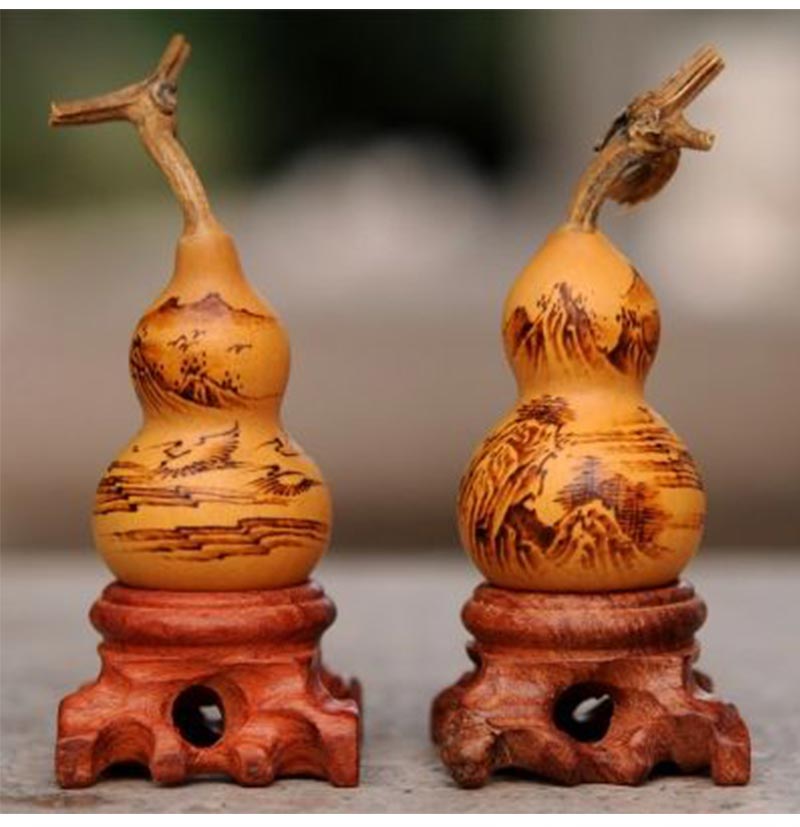
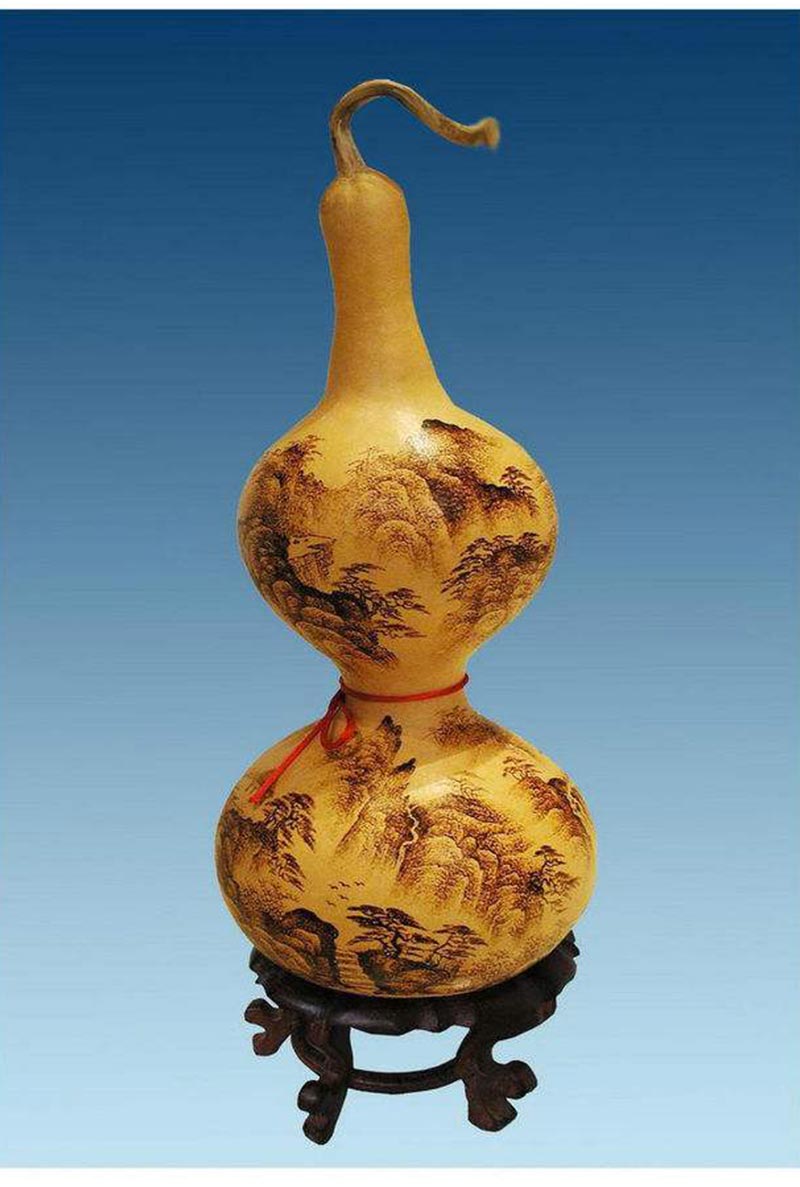
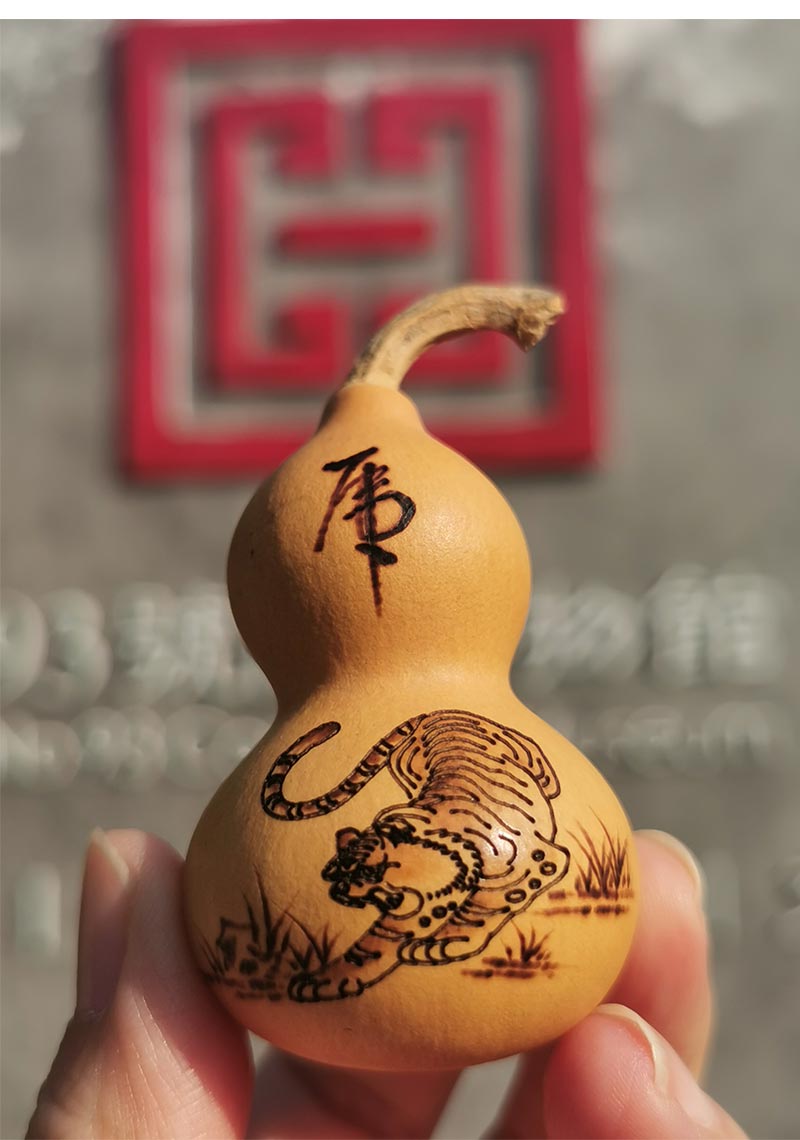
2026-07-24 Pyrography gourd art traces its roots to the Western Han Dynasty— an ancient craft with a long, storied history. Sadly, it was lost for centuries in the shifting tides of time, only to reemerge during the Ming and Qing dynasties. By the Kangxi and Qianlong reigns, it had reached an extraordinary level of artistry, cherished as an imperial treasure for the pleasure of the royal court, and even presented as a state gift to foreign dignitaries.
The gourd itself is among the most ancient auspicious objects in Chinese culture. It is believed to ward off evil spirits and dispel illness. Its rounded form, two spheres joined as one, symbolizes harmony between husband and wife. Its abundant seeds signify generations of descendants. And its very name—hulu—echoes the words for blessings and prosperity.
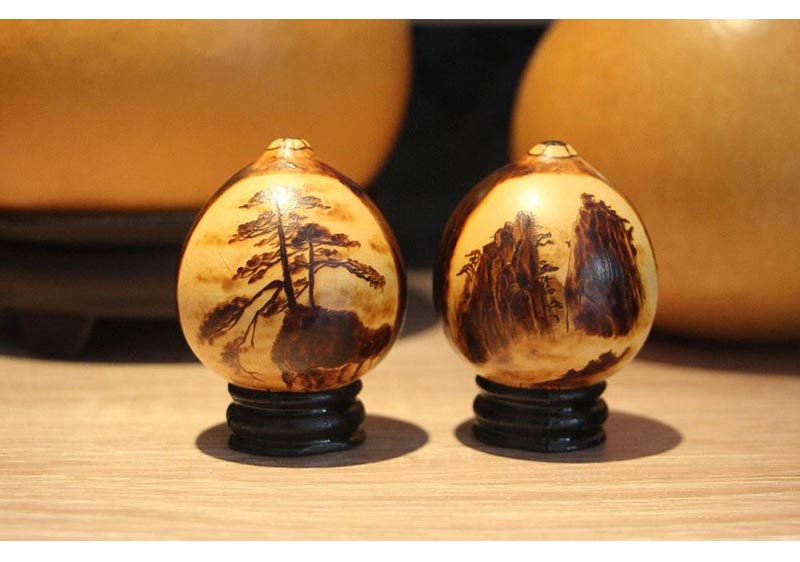
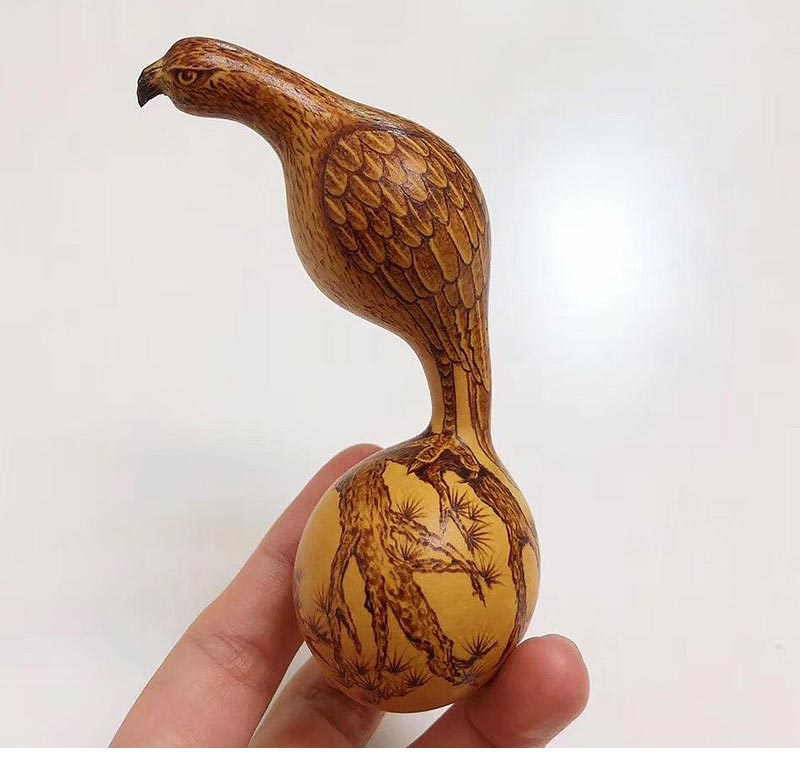
Onto this already auspicious vessel, artisans burn intricate, exquisite designs. Whether displayed as an ornament or held in the hand for quiet contemplation, a pyrographic gourd is a thing of pure delight.
Today, the craft is practiced with an electric soldering iron. The ideal gourd? Two years old, with a fine, healthy skin. After careful air-drying and sunning, its color becomes pure and true, its moisture fully spent— ready to receive the scorched lines, the layered depths of sepia and umber. Once the design is complete, regular handling brings out a natural patina— a lustrous “coating” that seals the artwork, so the burned patterns never fade, their shades forever warm and pleasing to the eye.