Chinese Lacquer Fan
2026-07-24
shadow puppetry
2026-07-24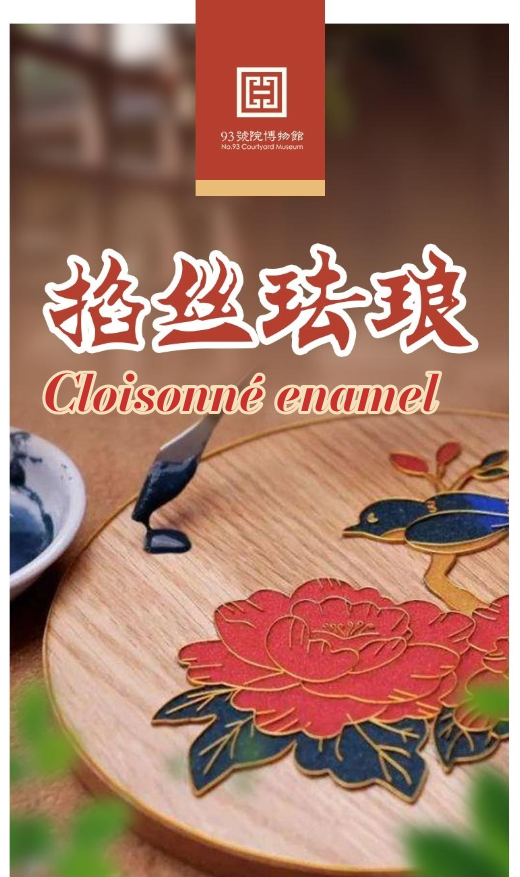
Chinese Lacquer Fan
2026-07-24shadow puppetry
2026-07-24Chinese Lacquer Fan
2026-07-24shadow puppetry
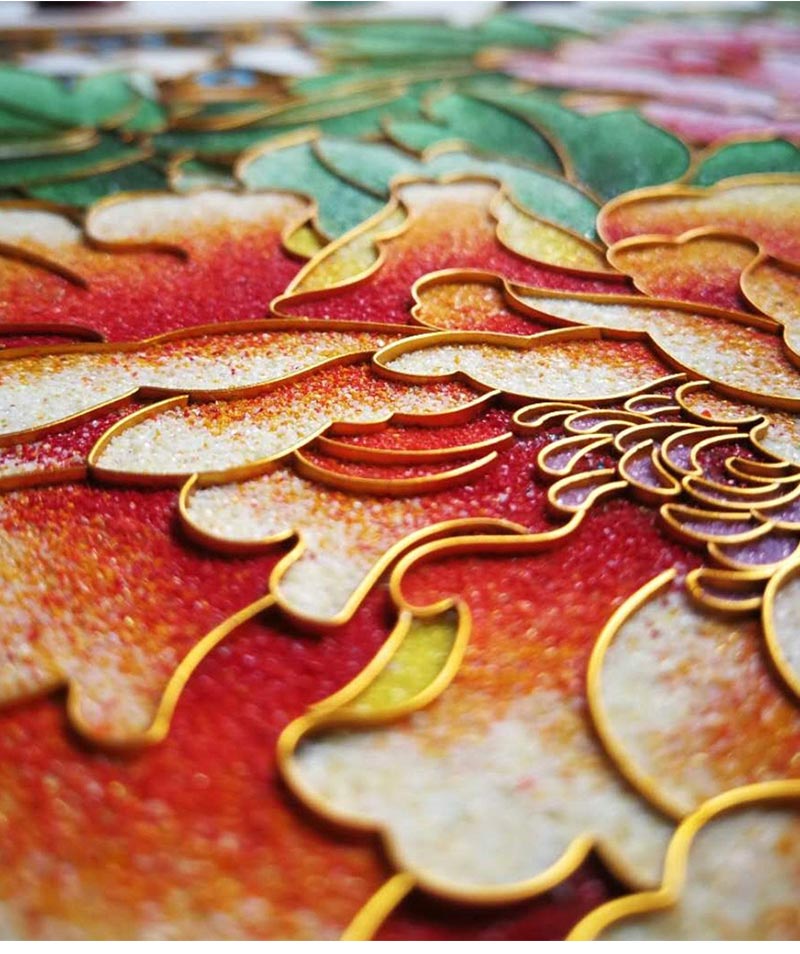
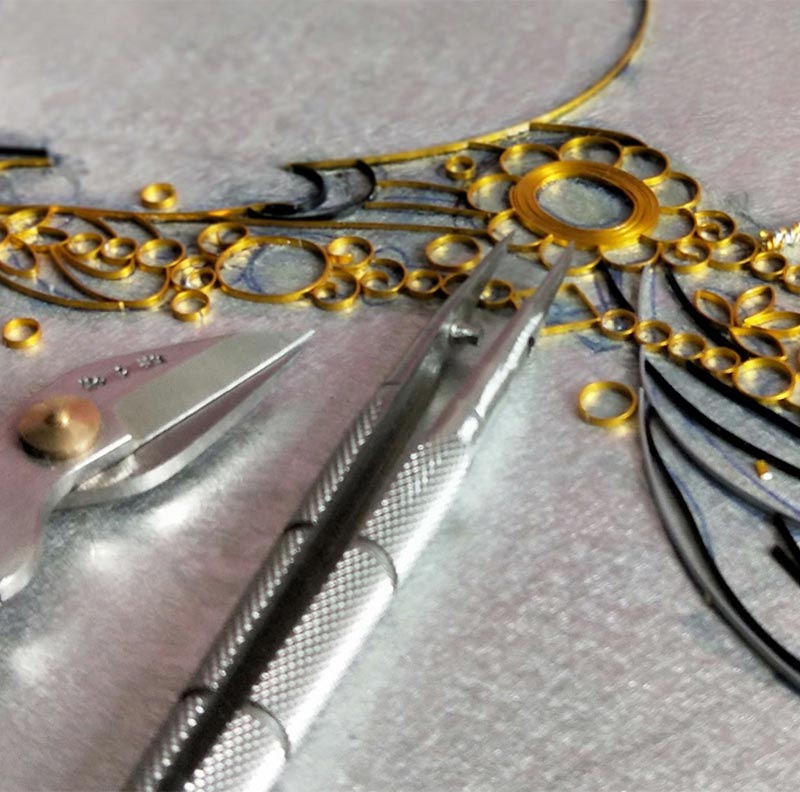
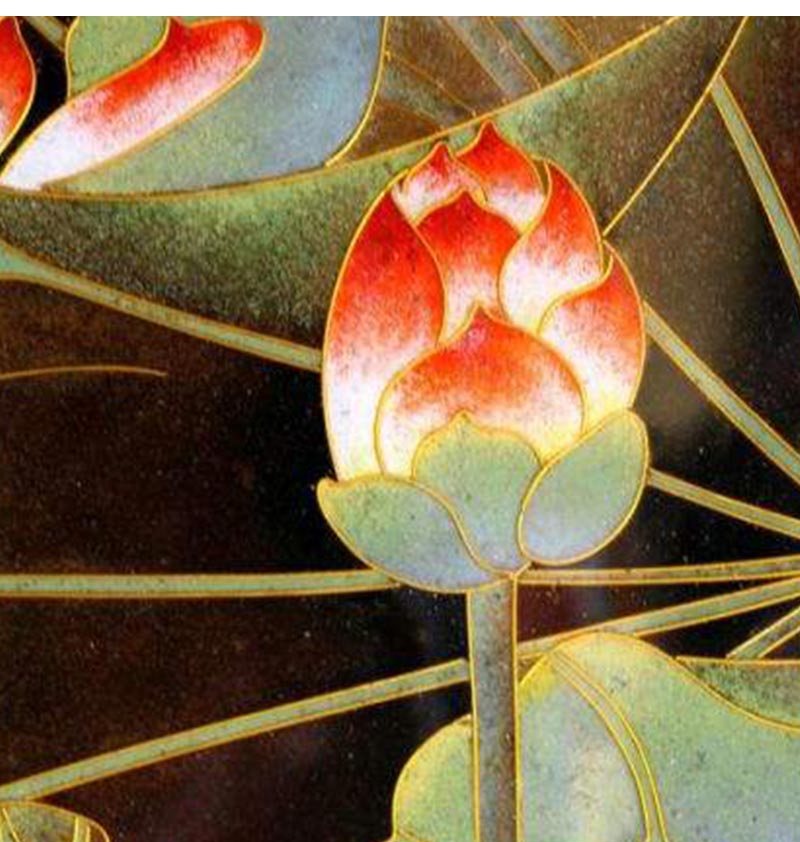
2026-07-24 In ancient times, Cloisonné was exclusively a court art. Artisans would bend fine copper wires into intricate patterns upon a metal base, then fill each cell with luminous enamel, fire, polish, and refine— until a dazzling work of art was born. During the Jingtai era of the Ming Dynasty, the craft reached its height. The dominant glaze of the time? A deep, brilliant blue. And so it earned its Chinese name: Jingtai Blue.
Today, Cloisonné stands as an icon of Beijing craftsmanship. But its origins lie far beyond China’s borders. In the 13th century, a technique called Falang Qian—”Frankish inlay”—arrived from the Arab world. Over generations, China’s master artisans refined, nurtured, and transformed it, until it blossomed into a breathtaking art form, celebrated the world over. In 2006, it was inscribed on China’s National Intangible Cultural Heritage list.
Cloisonné is radiant in color, exquisite in detail. It has been applied to objects of every scale: from grand tripods and towering vases for display, to delicate cosmetic boxes and snuff bottles for daily use. For centuries, it has captured hearts both at home and abroad.
Once reserved for princes and nobles— now, this resplendent art has found its way into countless homes. Yours could be next.
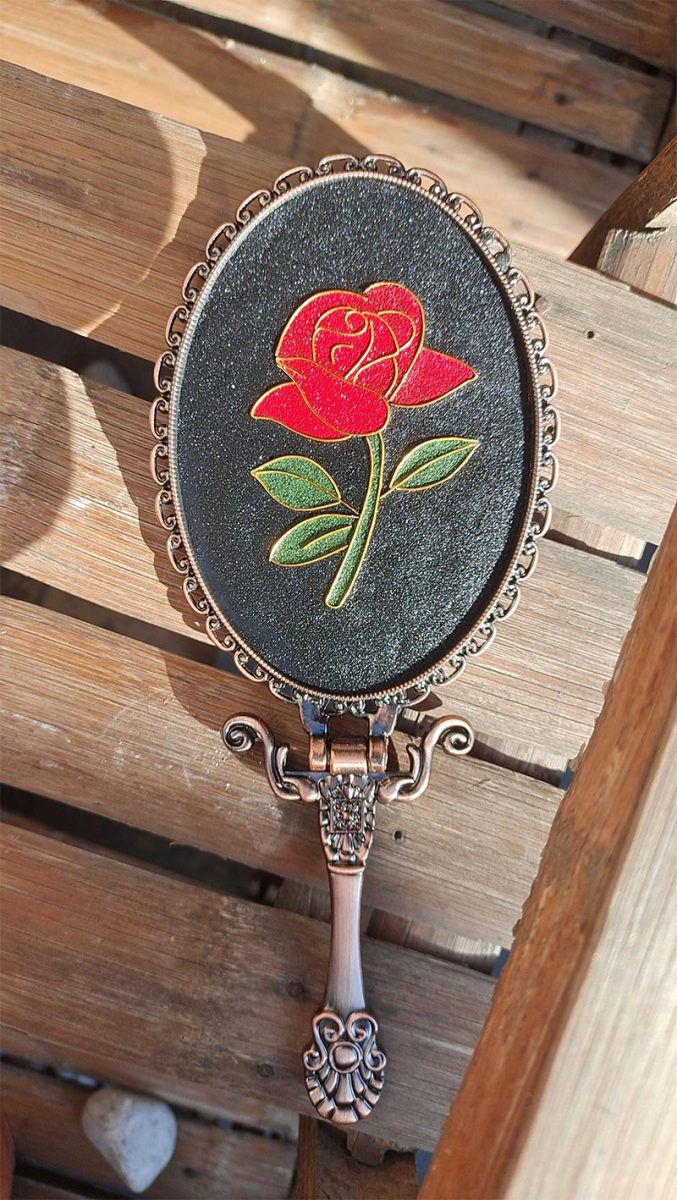
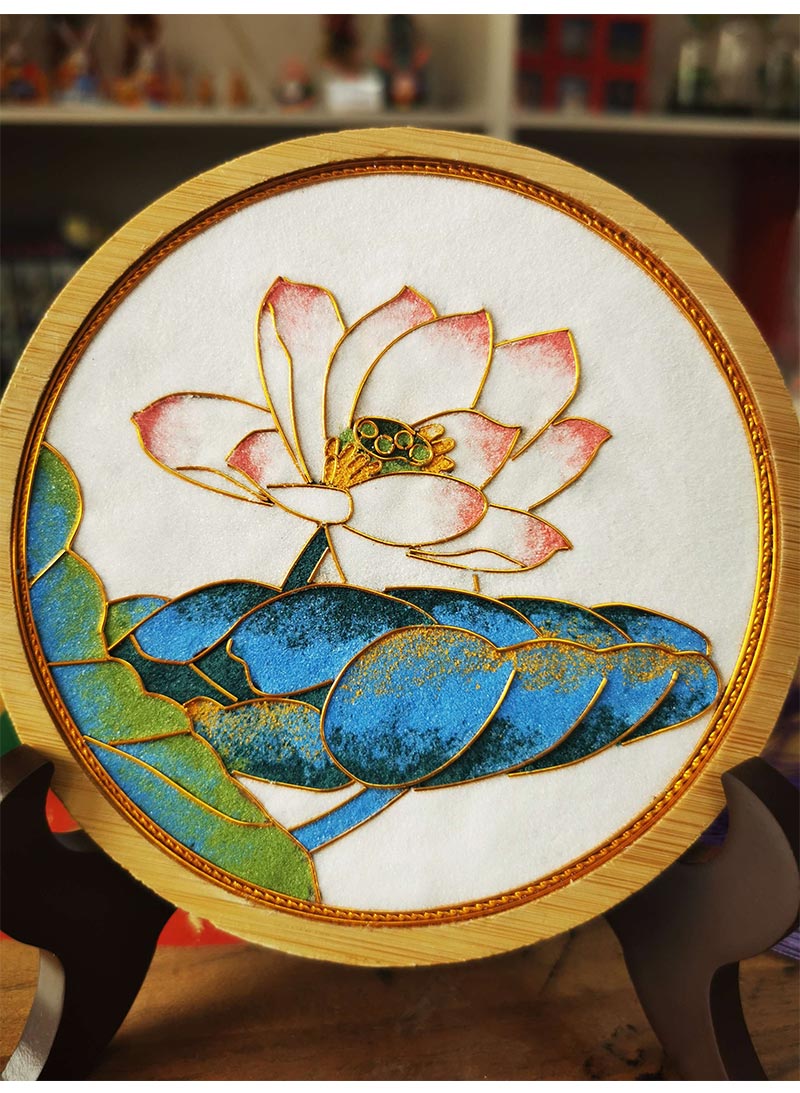
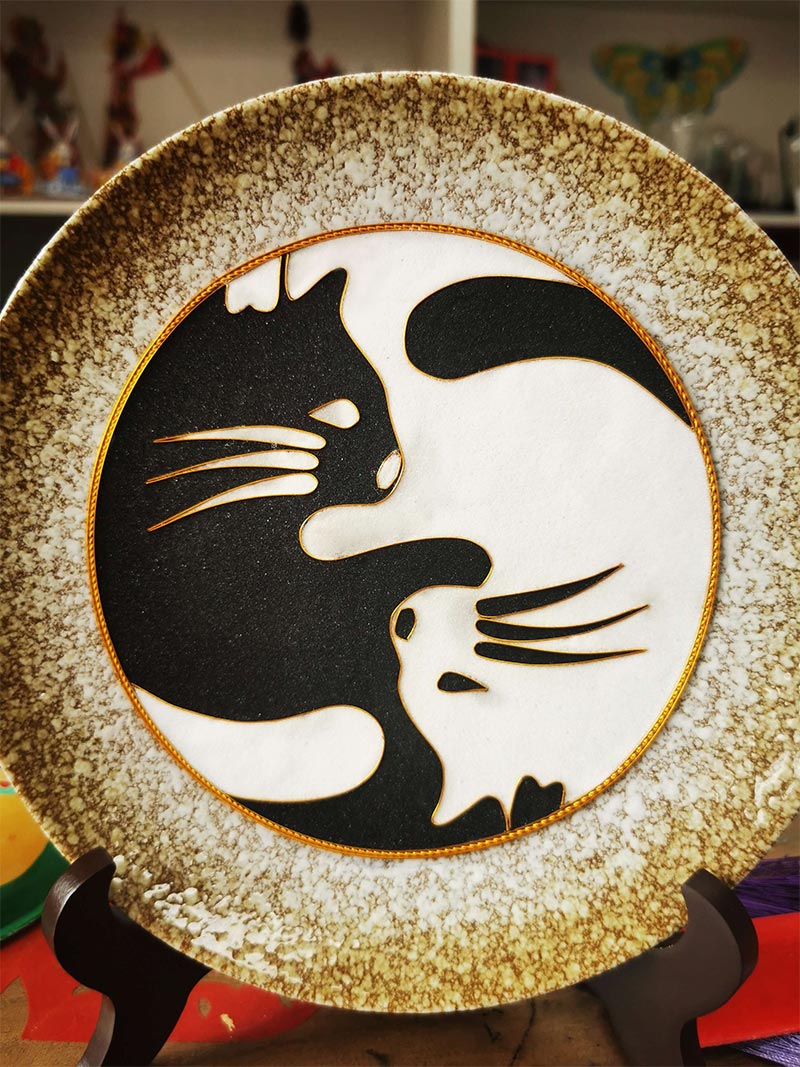
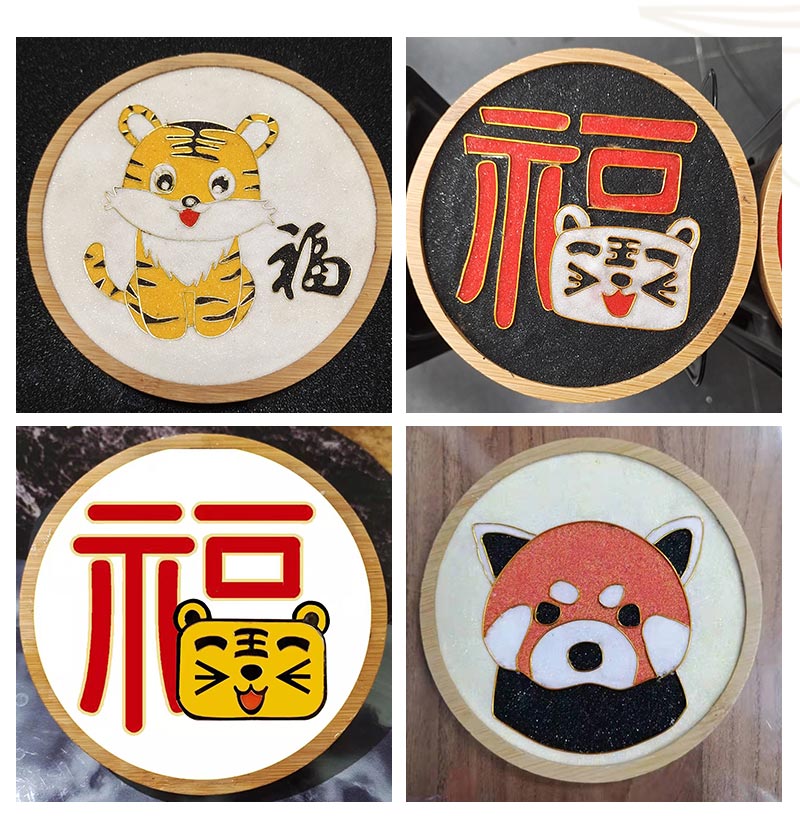
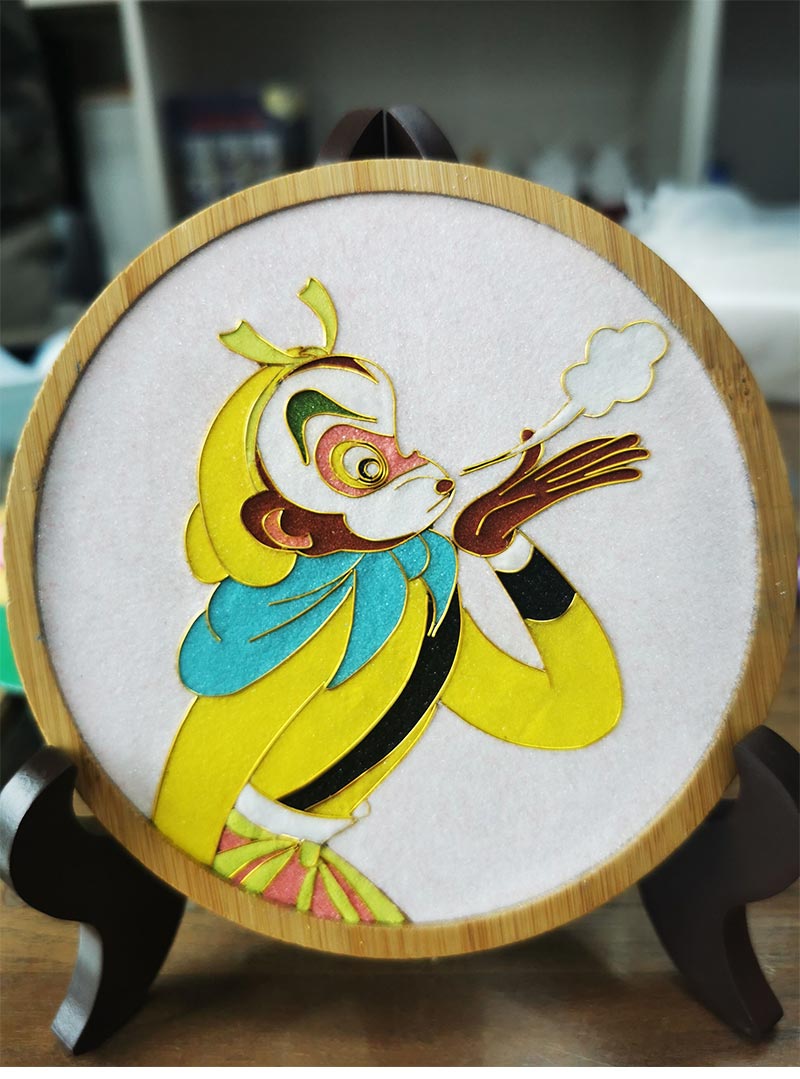
Cloisonné enamel is endlessly versatile— flexible in pattern, rich in shifting hues. It’s practically made for collectibles and merch! Come to No. 93 Courtyard Museum and try your hand at this imperial art. Create a piece that speaks to your own taste. Scroll through these works made by past visitors— let them spark your next creation.